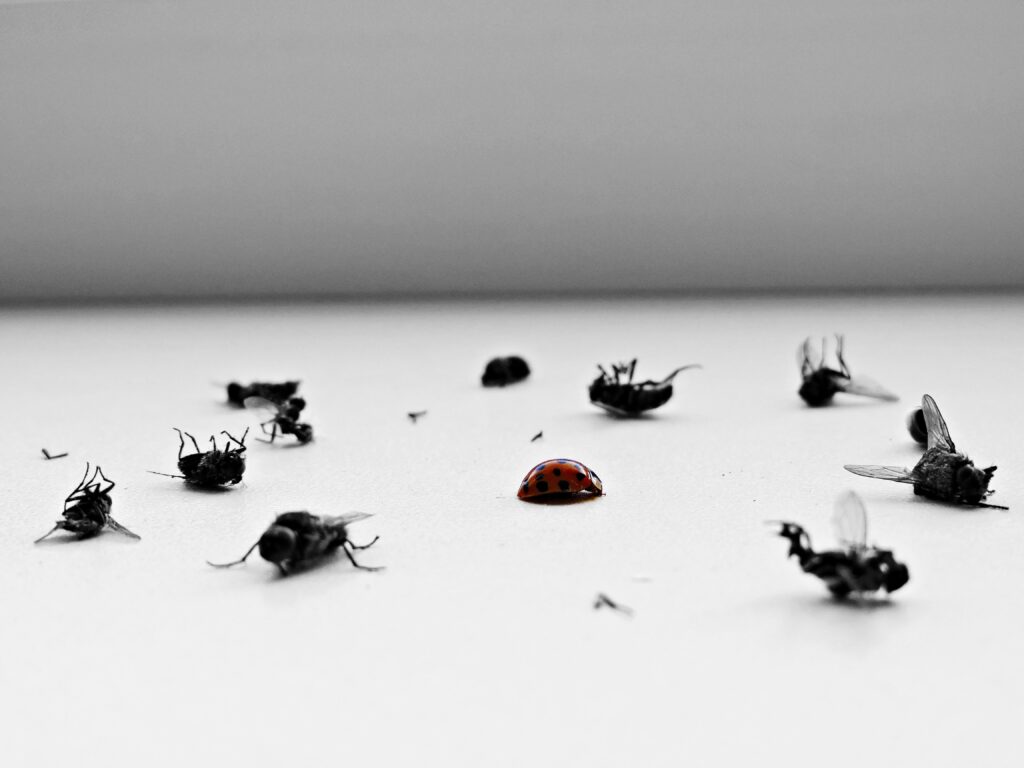

I love black and white floral and fauna artwork reproductions. They have a timeless charm that never gets old.
You might be wondering, why black and white? Well, it’s simple. These pieces add a touch of elegance and sophistication to any space.
Finding high-quality, authentic reproductions can be tough. But don’t worry, I’ve got you covered.
This article will guide you on how to select, display, and appreciate the best lukisan flora dan fauna hitam putih. Trust me, by the end, you’ll know exactly what to look for.
Understanding the Appeal of Black and White Floral and Fauna Artwork
When you think about black and white floral and fauna artwork, you might picture old-timey illustrations in dusty books. But there’s more to it than that.
Historically, these artworks have been around for centuries. Artists used them to document nature before color photography was a thing. (Imagine trying to paint every detail by hand—talk about patience!)
Now, let’s talk aesthetics. Why do people still love black and white? It’s simple.
These pieces are timeless. They fit into any room, any style, without looking out of place.
Plus, there’s something elegant about the stark contrast. It’s like a little black dress for your walls. (And who doesn’t love a good LBD?)
But it’s not just about looks. Black and white floral and fauna art can stir up some serious emotions. They bring a sense of nostalgia, simplicity, and sophistication.
Think about it. A single, detailed drawing of a flower or an animal can make you feel connected to a simpler time. It’s like a breath of calm in our chaotic, colorful world.
So, whether you’re hanging lukisan flora dan fauna hitam putih in your living room or office, you’re adding a touch of class and a dash of history. And who doesn’t want that?
Types of Black and White Floral and Fauna Artwork Reproductions
When it comes to reproducing lukisan flora dan fauna hitam putih, you’ve got a few options. Each has its own set of pros and cons, so let’s break them down.
Photographic Prints: These are high-resolution reproductions that capture the intricate details of the original artwork. They’re great for those who want a near-identical copy.
Lithographs: This traditional method uses a stone or metal plate to create detailed and high-quality prints. It’s a bit more artisanal, giving the print a unique, handcrafted feel.
Giclée Prints: Modern inkjet printing technology is behind giclée prints. They produce highly accurate and long-lasting reproductions. Perfect for those who value longevity and precision.
So, which one should you choose? If you’re all about the details and want something that looks almost exactly like the original, go for photographic prints. For a touch of tradition and a handcrafted vibe, lithographs are your best bet.
And if you’re looking for a modern, long-lasting option, giclée prints are the way to go.
Selecting High-Quality Reproductions

I once bought a reproduction of a famous painting, only to find out it was printed on cheap paper. It faded within months. That’s when I learned the importance of choosing reproductions printed on archival-quality paper or canvas.
Material quality matters. Archival-quality materials are designed to last. They resist fading and damage, preserving the artwork for years.
Resolution and detail are crucial too. Look for reproductions with high resolution and fine detail. This ensures the artwork looks as close to the original as possible.
If you can see the brushstrokes and subtle textures, you’re on the right track.
Authenticity and provenance are also key. Always check for artist signatures and certificates of authenticity. These documents verify that the reproduction is legitimate and not a knockoff.
One time, I was eyeing a lukisan flora dan fauna hitam putih. The seller claimed it was authentic, but something felt off. I asked for a certificate of authenticity.
Turns out, it was a fake. Saved me a lot of trouble.
When in doubt, do your research. Check the seller’s reputation and read reviews. You can also reach out to other collectors or art forums for advice.
Pro tip: If you’re into digital art, make sure to check out the lazy developers guide to seo friendly site structures. It can help you understand how to showcase and protect your digital reproductions online.
Displaying and Caring for Your Artwork Reproductions
When it comes to framing your black and white floral and fauna reproductions, you want something that complements the artwork. Go for a simple, elegant frame. It should enhance the image without overpowering it.
Lighting is crucial. You need to highlight the details of your lukisan flora dan fauna hitam putih, but you also don’t want to damage it. Use soft, indirect lighting.
Avoid harsh, direct lights that can fade the colors over time.
Regular dusting is key. A soft, lint-free cloth works well. Just be gentle.
You don’t want to scratch the surface.
Avoid direct sunlight. UV rays can cause fading and discoloration. If you can, place your artwork in a spot where it gets diffused, natural light.
By following these tips, you’ll keep your reproductions looking their best for years to come.
Bringing Elegance and Sophistication to Your Space
lukisan flora dan fauna hitam putih bring a unique blend of elegance and sophistication to any space. These artworks are known for their timeless appeal, making them a perfect addition to both modern and traditional decor. They come in various styles, from intricate detailed pieces to more minimalist designs.
Choosing high-quality reproductions is crucial. This ensures that the artwork retains its beauty and impact over time. Proper display also enhances the overall effect, whether it’s through framing, placement, or lighting.
Incorporating these elegant and sophisticated artworks into your home can transform the ambiance. Explore the variety of lukisan flora dan fauna hitam putih and find the perfect piece to elevate your space.
 There is a specific skill involved in explaining something clearly — one that is completely separate from actually knowing the subject. Florencesa Whitelivers has both. They has spent years working with end-to-end debugging frameworks in a hands-on capacity, and an equal amount of time figuring out how to translate that experience into writing that people with different backgrounds can actually absorb and use.
Florencesa tends to approach complex subjects — End-to-End Debugging Frameworks, Digital Workflow Optimization, Core Tech Concepts and Insights being good examples — by starting with what the reader already knows, then building outward from there rather than dropping them in the deep end. It sounds like a small thing. In practice it makes a significant difference in whether someone finishes the article or abandons it halfway through. They is also good at knowing when to stop — a surprisingly underrated skill. Some writers bury useful information under so many caveats and qualifications that the point disappears. Florencesa knows where the point is and gets there without too many detours.
The practical effect of all this is that people who read Florencesa's work tend to come away actually capable of doing something with it. Not just vaguely informed — actually capable. For a writer working in end-to-end debugging frameworks, that is probably the best possible outcome, and it's the standard Florencesa holds they's own work to.
There is a specific skill involved in explaining something clearly — one that is completely separate from actually knowing the subject. Florencesa Whitelivers has both. They has spent years working with end-to-end debugging frameworks in a hands-on capacity, and an equal amount of time figuring out how to translate that experience into writing that people with different backgrounds can actually absorb and use.
Florencesa tends to approach complex subjects — End-to-End Debugging Frameworks, Digital Workflow Optimization, Core Tech Concepts and Insights being good examples — by starting with what the reader already knows, then building outward from there rather than dropping them in the deep end. It sounds like a small thing. In practice it makes a significant difference in whether someone finishes the article or abandons it halfway through. They is also good at knowing when to stop — a surprisingly underrated skill. Some writers bury useful information under so many caveats and qualifications that the point disappears. Florencesa knows where the point is and gets there without too many detours.
The practical effect of all this is that people who read Florencesa's work tend to come away actually capable of doing something with it. Not just vaguely informed — actually capable. For a writer working in end-to-end debugging frameworks, that is probably the best possible outcome, and it's the standard Florencesa holds they's own work to.