
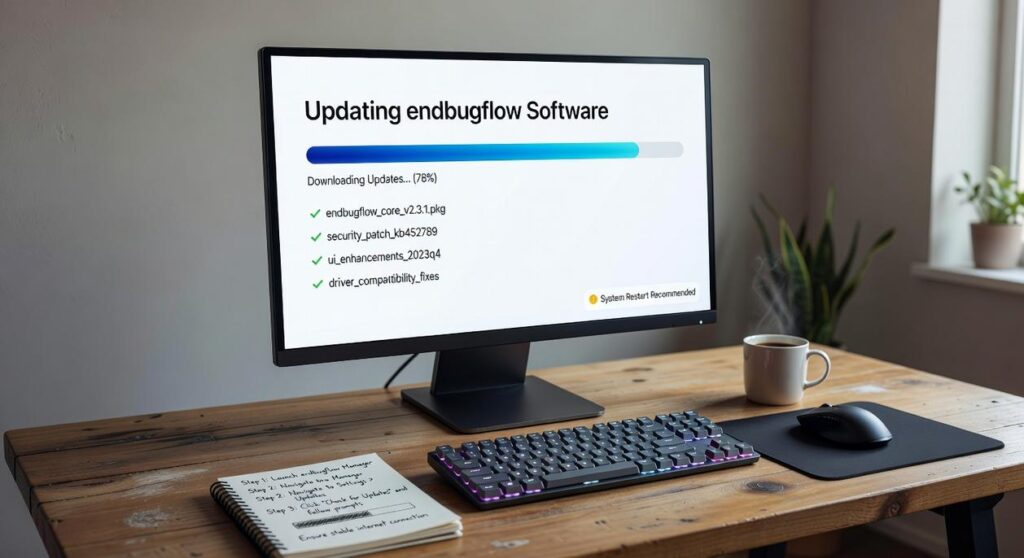
I know software updates can feel like a gamble.
You’re wondering if this how to update endbugflow software on pc process will break something or take forever. I’ve been there.
Here’s the truth: updating Endbugflow on your PC is straightforward when you follow the right steps. No guesswork needed.
I’m giving you the official instructions straight from the source. These are the exact steps we verify and test to make sure your update goes smoothly.
This guide walks you through the complete update process. You’ll get the latest features, better performance, and the security patches your system needs.
No technical jargon. No unnecessary steps. Just what works.
By the end of this, you’ll have Endbugflow updated and running without the headache most people deal with during software updates.
Why Updating Endbugflow is Crucial for Your Workflow
Most developers treat software updates like dental appointments.
They know they should do it. But they put it off until something breaks.
Here’s the contrarian part though. I actually think that’s not the worst instinct.
You’ve probably heard the advice to update everything immediately. Stay current. Never fall behind. Security patches matter.
And sure, that sounds responsible. But let’s be honest about what really happens when you update software the second a new version drops.
You become a beta tester.
I’ve watched developers lose entire afternoons because they updated endbugflow right before a deadline. The new version had a bug that broke their existing workflow. Now they’re scrambling to rollback while their project sits there unfinished.
So yeah, I get why people wait.
But here’s where it gets tricky. Waiting too long creates different problems. And those problems compound faster than you think.
When you finally decide how to update endbugflow software on pc, you’re not just installing one update. You’re installing six months worth of changes all at once. That’s when things really go sideways.
The sweet spot? Update regularly but not immediately.
Let me break down what you actually gain from keeping current:
- New debugging tools that cut your troubleshooting time in half
- Security patches that protect your development environment from known exploits
- Performance fixes that make the application run smoother on your machine
- Compatibility updates so everything plays nice with your other tools
The security thing matters more than most people admit. An outdated version isn’t just slower. It’s a target.
And performance improvements? Those add up. A few seconds saved here and there becomes hours over a month.
Just don’t update blindly. Give new releases a week or two to shake out the obvious bugs first.
Before You Begin: A 3-Step Pre-Update Checklist
A few minutes of prep work saves you hours of headaches later.
I’ve seen too many people skip this part. They jump straight into the update and then wonder why their settings disappeared or why the install keeps failing halfway through.
Don’t be that person.
Step 1: Backup Your Settings and Projects
Yes, the updater preserves your configuration. But backups exist for a reason.
Go to File > Export Settings and save a copy of your preferences. Takes maybe 30 seconds. If something goes sideways during the update, you’ll thank yourself later.
(I learned this the hard way after losing a week’s worth of custom shortcuts.)
Step 2: Verify System Requirements
Here’s what most guides won’t tell you. The minimum requirements listed on the download page? Those are bare minimum. Your system might technically meet them but still run like molasses.
Check your OS version first. Then look at your available RAM. If you’re cutting it close, you might want to close other programs before learning how to update endbugflow software on pc.
Step 3: Ensure a Stable Internet Connection
This sounds obvious until you’re 80% through the download and your WiFi drops.
Corrupted downloads cause most installation failures. If your connection tends to cut out, plug in with ethernet. Or at least pause any streaming or large downloads running in the background.
Pro tip: Run the update when you’re not on a deadline. Give yourself buffer time in case something needs troubleshooting.
Now you’re ready to actually update endbugflow software without the usual drama.
The Update Process: Step-by-Step Instructions
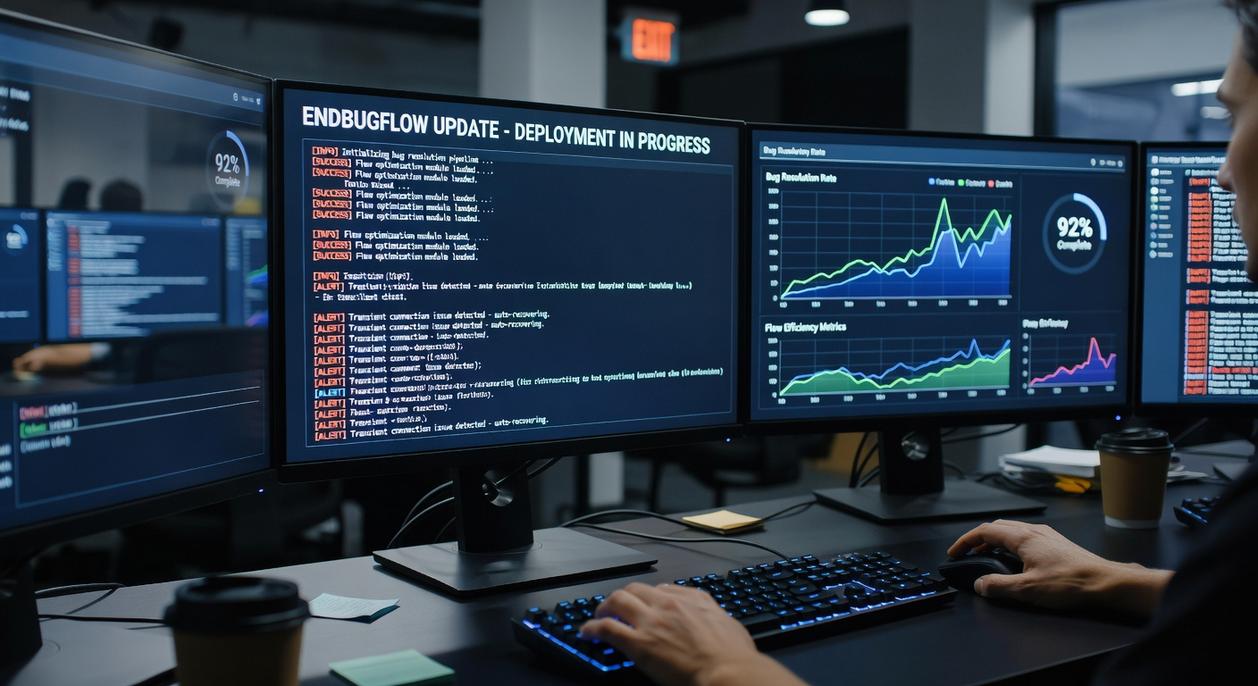
You need to update your software but you’re not sure where to start.
I’ve been there. You click around for ten minutes trying to find the right menu and wonder why something this simple feels so complicated.
Here’s how to update endbugflow software on pc without the guesswork.
Step 1: Open Your Software
Launch Endbugflow from your desktop or start menu. Wait for it to load completely before you do anything else.
Step 2: Navigate to Settings
Look for the gear icon in the top right corner. Click it once. You’ll see a dropdown menu with several options.
Step 3: Find the Update Section
Scroll down to “Check for Updates” or “Software Updates.” It’s usually near the bottom of the settings menu.
Click it.
Step 4: Let the System Check
The software will scan for available updates. This takes about 30 seconds. Don’t close the window while it’s checking (I know it’s tempting).
Step 5: Review What’s Available
You’ll see a list of updates if any are available. Read through what’s included. Bug fixes, new features, security patches. It’s all listed there.
Step 6: Start the Download
Click “Download and Install.” The progress bar will show you how long it’ll take.
Step 7: Restart When Prompted
Once the download finishes, you’ll get a prompt to restart. Save your work first. Then click “Restart Now.”
The software will close and reopen with the new version installed.
Pro Tip: Set up automatic updates so you don’t have to remember to do this manually. Go to Settings and toggle on “Auto-Update.” The software will handle everything in the background.
Want to understand more about how does endbugflow software work? Check out our detailed breakdown.
That’s it. Five minutes and you’re running the latest version.
Troubleshooting Common Update Issues
Updates don’t always go smoothly.
I wish I could tell you that every installation works perfectly on the first try. But that’s not reality.
You’ll run into problems sometimes. That’s just part of working with software.
The good news? Most issues have simple fixes. And once you know what to look for, you can solve them in minutes instead of hours.
Issue: Update Failed to Download
This one’s usually about your network. Check if your internet connection is stable. Then make sure your firewall or antivirus isn’t blocking Endbugflow’s connection (they get overzealous sometimes).
Issue: ‘Installation is Corrupted’ Error
The installer didn’t download completely. Delete the file and clear your browser cache. Then grab a fresh copy from our official downloads page.
Issue: Settings or Preferences are Missing
Rare, but it happens. This is why you made that backup before starting. Go to File > Import Settings and restore your configuration. Takes about 30 seconds.
Issue: Application is Slow After Update
Restart your PC. I know it sounds too simple, but a full system restart clears out temporary performance issues that pop up after major installations.
Now here’s something people don’t talk about enough.
Some folks say you should never update software if it’s working fine. Why risk breaking something that already does the job?
I get where they’re coming from. Updates can introduce new bugs.
But skipping updates means you miss security patches and performance improvements. That’s a bigger risk in the long run.
When you know how to update Endbugflow software on PC and fix common issues, updates become routine instead of stressful.
Your Workflow, Upgraded
You now know exactly how to update Endbugflow software on PC.
The process is straightforward. It gets you back to work quickly.
Keeping your software updated means you always have the best and most secure debugging tool available. You get the latest features without the hassle.
This simple maintenance task keeps your development workflow running smooth. You’ve just unlocked new features and improvements that make your job easier.
Run into issues that weren’t covered here? Visit our official support center for more help.
Your debugging toolkit is now current. Time to put those new features to work. Homepage.

