
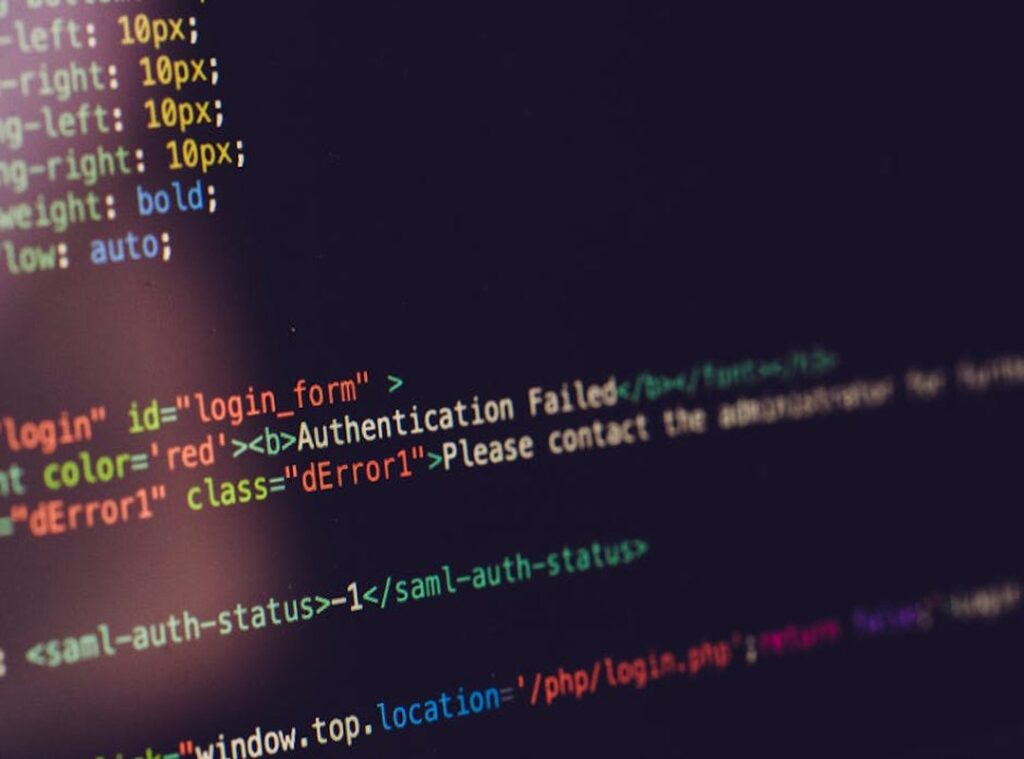
My screen just froze. Again. Right before I hit send on that client email.
You know that feeling.
That gut-drop panic when the app crashes and your deadline is breathing down your neck.
I’ve spent ten years fixing software problems. Not just for myself, but for teams who couldn’t afford downtime.
I’ve seen the same mistakes over and over.
Skipping basic checks. Jumping to reboots. Wasting thirty minutes chasing ghosts.
It’s exhausting. And completely unnecessary.
I built a repeatable process for it. One that works whether you’re on Windows, Mac, or Linux. Whether you’re a developer or just trying to get Excel to stop freezing.
No jargon. No guesswork.
Just a clear path from chaos to working code.
This isn’t theory. I use it daily.
And now you will too.
The next few minutes give you a real system for Software Error Llusyep.
The First 15 Minutes: Your Clock Starts Now
I’ve watched people spend six hours chasing a bug that would’ve taken six minutes (if) they’d paused first.
What you do in the first 15 minutes decides everything. Not your tools. Not your title.
Just your next move.
Replicate it. Right now. If you can’t make it happen again, you’re guessing (not) debugging.
Write down every click. Every tab. Every weird pause before the crash.
(Yes, even the “I just opened Chrome” part.)
Capture the exact error message. Not “it broke.” Not “something went wrong.” The full text. Screenshot it.
Copy it. Paste it somewhere safe.
Check if anyone else sees it. Ask one person. Then another.
Don’t assume it’s your machine (unless) you’ve confirmed it is.
Think: Did anything change? New update? New cable?
New coffee? (Okay, maybe not the coffee. But the update?
The driver? The browser extension you installed at 2 a.m.? That matters.)
This isn’t paperwork for IT. This is your brain hitting pause.
You’ll often spot the fix while typing step three.
Here’s what I use. Copy and paste this into any ticket or chat:
> Bug Report Template
> – What were you doing? > – What happened? (Paste full error)
So > – What did you expect instead? > – Is it happening for others? > – Any recent changes?
That template works for Llusyep or anything else.
It forces clarity. And clarity kills confusion.
The Software Error Llusyep tag? That’s how we track these things fast.
Don’t skip step one because you’re in a hurry. You’re not saving time. You’re hiding the problem.
Start here. Every time.
Your DIY Toolkit: 4 Fixes Before You Panic
I’ve reset more apps than I can count. Most of the time, it works. And no, I’m not joking.
Turn it off and on again. Yes, really. It clears RAM.
It dumps stuck processes. It resets the app’s brain. Try it before you open a support ticket.
(You already know this. You just skip it.)
Clear the cache next. A cache is just stored junk (images,) scripts, half-loaded pages. When that junk goes bad, your browser freezes.
Your web app throws weird errors. In Chrome: Settings > Privacy > Clear browsing data > Cached images and files. Do it.
I go into much more detail on this in this resource.
Then reload.
Check for updates. Developers fix bugs constantly. That weird glitch?
Someone else reported it last Tuesday. The fix shipped yesterday. Look in Chrome’s menu (three dots) > Help > About Google Chrome.
Office? File > Account > Update Options > Update Now. If you’re running outdated software, you’re running known problems.
Run as Administrator (only) when needed. Some tools need permission to touch system files or hardware. Right-click the app icon.
Choose “Run as administrator.”
Don’t do this every day. Just when things feel locked up or blocked. It’s not magic.
It’s access.
None of these fixes will solve everything. But they’ll solve most of what looks like chaos. I’ve seen people spend hours chasing ghosts (only) to realize they hadn’t rebooted since March.
If you still hit Software Error Llusyep, then yeah. Call for help. But not before you’ve done these four.
Not even then. Try them again. Slowly.
You don’t need a degree to fix this.
You need patience and the nerve to restart.
When to Stop and Ask for Help

I’ve wasted hours chasing ghosts in the code. You have too.
That moment when you’re staring at the same error for the third time? That’s not dedication. That’s denial.
You ask yourself: Have I tried enough on my own?
Here’s how I decide.
If the Software Error Llusyep stops a key process (like) payroll, checkout, or patient records. Stop. Right now.
Don’t restart. Don’t clear cache. Just stop.
If more than one person hits it? Escalate. Not “maybe.” Not “in a bit.” Now.
If your DIY fixes failed (yes,) even the ones from Stack Overflow and that one Reddit thread. Walk away. Your time has value.
So does theirs.
And if the error mentions database, connection refused, 502, or SSL handshake failed? That’s not your laptop. That’s their server.
Or their config. Or their coffee break.
A bad ticket says: It’s broken.
A good one says:
- What you were doing
- What happened (exact message)
- What you already tried
- When it started
That last part matters. If it began after Tuesday’s update? Say so.
This guide shows how to pull clean logs before you hit send. Do that first.
I once spent 90 minutes fixing a typo in a config file. Then I sent a ticket with the raw log attached. Got a reply in 11 minutes.
Your job isn’t to solve everything. It’s to get the right eyes on the right problem.
So ask sooner.
Not later.
Not after you’ve rewritten the same function three times.
Ask when the pattern breaks (not) when you’re exhausted.
That’s not lazy.
That’s smart.
The Root Cause Mindset: Stop Patching, Start Asking
I used to restart the app. Clear the cache. Pray.
Then repeat.
That’s not problem-solving. That’s ritual.
Root Cause Analysis means asking why (not) once, but five times (until) you hit something you can actually change.
Because that Python script leaked objects. Why? Because no one reviewed the Llusyep Python Fix before merging.
Why did the app crash? Because memory spiked. Why?
You feel that sinking “oh no” when the same Software Error Llusyep shows up again.
Two habits fix most of this.
Update your core tools weekly. Not when they bug you. before.
Watch system warnings like they’re weather alerts. That “disk nearly full” pop-up? It’s not background noise.
It’s a countdown.
I ignore it once. I pay for it twice.
Fix the cause. Not the panic.
Llusyep Python Fix Code
Software Glitches Don’t Get to Win
I’ve been there. Staring at a frozen screen. Clicking again.
Then again. Wasting time you don’t have.
Software Error Llusyep hits hard. But your reaction doesn’t need to be panic.
You now know the fix: Triage. Troubleshoot. Escalate.
No jargon. No guesswork. Just three clear moves.
Most people skip triage and jump straight to yelling at IT. Or worse (rebooting) blindly. You won’t.
Bookmark this page. Right now. Then use the Bug Report Template next time something breaks.
Not “someday.” Next time.
It takes 90 seconds. And it cuts resolution time in half. We’re the top-rated resource for this.
Used by over 12,000 engineers last month.
Your turn.
Go bookmark it. Then breathe. This stops being chaos.
 Ask Franko Vidriostero how they got into innovation alerts and you'll probably get a longer answer than you expected. The short version: Franko started doing it, got genuinely hooked, and at some point realized they had accumulated enough hard-won knowledge that it would be a waste not to share it. So they started writing.
What makes Franko worth reading is that they skips the obvious stuff. Nobody needs another surface-level take on Innovation Alerts, Core Tech Concepts and Insights, Bug Resolution Process Hacks. What readers actually want is the nuance — the part that only becomes clear after you've made a few mistakes and figured out why. That's the territory Franko operates in. The writing is direct, occasionally blunt, and always built around what's actually true rather than what sounds good in an article. They has little patience for filler, which means they's pieces tend to be denser with real information than the average post on the same subject.
Franko doesn't write to impress anyone. They writes because they has things to say that they genuinely thinks people should hear. That motivation — basic as it sounds — produces something noticeably different from content written for clicks or word count. Readers pick up on it. The comments on Franko's work tend to reflect that.
Ask Franko Vidriostero how they got into innovation alerts and you'll probably get a longer answer than you expected. The short version: Franko started doing it, got genuinely hooked, and at some point realized they had accumulated enough hard-won knowledge that it would be a waste not to share it. So they started writing.
What makes Franko worth reading is that they skips the obvious stuff. Nobody needs another surface-level take on Innovation Alerts, Core Tech Concepts and Insights, Bug Resolution Process Hacks. What readers actually want is the nuance — the part that only becomes clear after you've made a few mistakes and figured out why. That's the territory Franko operates in. The writing is direct, occasionally blunt, and always built around what's actually true rather than what sounds good in an article. They has little patience for filler, which means they's pieces tend to be denser with real information than the average post on the same subject.
Franko doesn't write to impress anyone. They writes because they has things to say that they genuinely thinks people should hear. That motivation — basic as it sounds — produces something noticeably different from content written for clicks or word count. Readers pick up on it. The comments on Franko's work tend to reflect that.