

Bitcoin miners face a tough challenge. The rewards can be unpredictable, and the price of Bitcoin bounces around like a ping-pong ball. This makes it hard for miners to plan their finances.
That’s why bitcoin miners contemplate hedging choices for income stability. It’s a way to smooth out the ups and downs. In this article, I’ll dive into the strategies they use.
You might be wondering, do these actually work? Let’s find out.
Understanding Bitcoin Mining and Its Challenges
What is Bitcoin Mining?
Bitcoin mining is the process of creating new bitcoins and verifying transactions on the blockchain. It’s crucial for maintaining the integrity and security of the Bitcoin network.
Challenges Faced by Miners
Miners face a lot of hurdles. High electricity costs are one of the biggest. Running those powerful computers 24/7 isn’t cheap.
Hardware expenses add up too. You need specialized equipment, and it doesn’t come cheap. Plus, it needs to be upgraded regularly to stay competitive.
Market volatility is another big issue. The price of Bitcoin can swing wildly, making it hard to predict profits. This unpredictability can make or break a miner’s business.
The Need for Income Stability
Given these challenges, bitcoin miners contemplate hedging choices for income stability. They’re looking for ways to protect themselves from the high costs and market swings.
One way is to diversify their income. Some miners are exploring other cryptocurrencies or even different types of investments. Others are using financial instruments like futures and options to hedge against price drops.
- Diversify into other cryptocurrencies.
- Use financial instruments like futures and options.
- Invest in more energy-efficient mining hardware.
These strategies can help miners manage their risks and keep their operations running smoothly.
What is Hedging and Why It Matters for Miners
Hedging is a strategy to protect against financial loss. In the context of financial markets, it means taking a position to offset potential losses in another investment.
Why does this matter for miners? Well, hedging can help them manage and reduce financial risk. It’s like having a safety net.
Some might argue that hedging is too complex and adds extra costs. They say it’s better to focus on mining operations and let the market do its thing. But here’s the catch: without hedging, miners are at the mercy of volatile markets.
Price risk is a big one. This is the risk that the price of the mined commodity (like gold or silver) will drop, cutting into profits. Operational risk is also a concern.
This includes risks related to equipment failure, supply chain disruptions, and other operational issues.
Bitcoin miners contemplate hedging choices for income stability. They face similar risks, especially with the unpredictable nature of cryptocurrency prices. By hedging, they can lock in prices and ensure a more stable income stream.
Sure, hedging isn’t a magic solution, and it requires careful planning and execution. But in a world where markets can turn on a dime, it’s a smart way to protect your bottom line.
Common Hedging Strategies for Bitcoin Miners
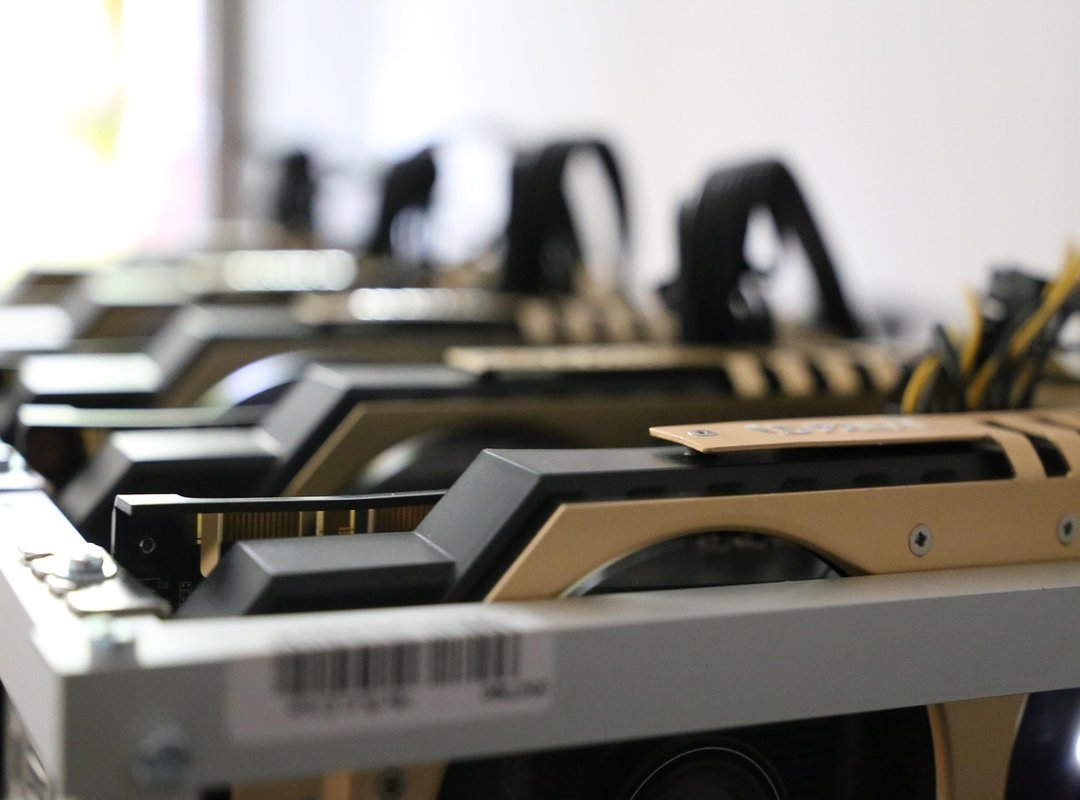
When bitcoin miners contemplate hedging choices for income stability, they often look at a few key strategies. Let’s break them down.
Futures Contracts. These are agreements to buy or sell an asset at a predetermined price on a specific date. For miners, futures can lock in future prices and protect against drops.
Simple, right?
Miners use futures to secure a set price for their mined Bitcoin, reducing the risk of market volatility.
Options. Options give you the right, but not the obligation, to buy (call) or sell (put) an asset at a specific price. They can create a floor or ceiling for the price of Bitcoin.
For example, a put option can act as insurance, allowing miners to sell at a set price if the market drops.
OTC Derivatives. Over-the-counter derivatives are private, customizable contracts between two parties. They offer more flexibility than exchange-traded derivatives.
OTC derivatives can be tailored to specific needs, making them a powerful tool for sophisticated hedging.
So, which is better, and it depends. Futures are straightforward and widely used.
Options offer more flexibility but can be complex. OTC derivatives are highly customizable but come with higher counterparty risk. Endbugflow
Pro tip: Consider a mix of these strategies to balance simplicity and flexibility.
How to Implement a Hedging Strategy: Step-by-Step Guide
Assess Your Risk Tolerance: First things first, you need to figure out your risk tolerance. How much risk are you willing to take? This will help you determine the level of protection you need.
It’s like setting the foundation for your house—get it right, or everything else might crumble.
Choose the Right Instruments: Next, pick the right hedging instruments. This can be options, futures, or other derivatives. The choice depends on your specific needs and the current market conditions.
For example, if bitcoin miners contemplate hedging choices for income stability, they might look at futures contracts to lock in prices and protect against volatility.
Set Up the Hedge: Now, let’s get into the nitty-gritty. You’ll need to choose a broker who offers the hedging instruments you want. Make sure they have a good reputation and low fees.
Once you’ve got that sorted, place your orders. Be clear about your entry and exit points.
It’s also a good idea to monitor your hedge regularly. Markets change, and so should your strategy. Adjust as needed, but don’t overreact to every little fluctuation.
Pro Tip: Always keep an eye on the broader economic indicators. They can give you a heads-up on potential market shifts.
Real-World Examples and Case Studies
Let’s dive into some real-world examples. It’s one thing to talk about strategies, but seeing them in action can make all the difference.
Case Study 1: A Successful Hedging Strategy Implemented by a Large Mining Operation
A large mining operation decided to hedge their risks by entering into long-term contracts. They locked in prices for their raw materials, ensuring they wouldn’t be hit hard by market fluctuations. This move provided a steady income stream, even when the market was volatile.
It’s a smart play, especially for those with the capital to back it up. But what about smaller players?
Case Study 2: A Smaller Miner’s Approach to Using Futures and Options to Stabilize Income
A smaller miner took a different approach. They used futures and options to stabilize their income. By buying put options, they protected themselves from price drops.
At the same time, they sold call options to generate additional income.
This strategy allowed them to manage their risk without tying up too much capital. It’s a more flexible approach, perfect for those who can’t afford to lock in long-term contracts.
Bitcoin miners contemplate hedging choices for income stability. It’s a critical decision, and these case studies show that there are multiple ways to skin the cat.
The key is to find the right balance for your specific situation. Whether you’re a large or small player, there’s a hedging strategy that can work for you.
FAQs: Common Questions About Hedging for Miners
Q: What are the costs associated with hedging?
A: Well, nothing in life is free, right? When it comes to hedging, you’ll be looking at premiums and transaction fees.
Think of it like insurance for your mining income—there’s a price tag, but it might be worth it if it keeps you from losing sleep.
Q: Can hedging completely eliminate risk, and a: If only, right? Hedging can help smooth out some of the bumps, but it’s not a magic bullet.
It’s more like a shock absorber on a bumpy road. Bitcoin miners contemplate hedging choices for income stability, but they still need to keep an eye on the market and have a balanced approach.
So, while hedging can provide some peace of mind, it’s just one tool in your toolbox. You still need to be smart about your overall strategy.
Securing Financial Stability Through Hedging
Hedging is a crucial strategy for bitcoin miners contemplate hedging choices for income stability. It helps in managing the volatility of cryptocurrency prices, ensuring a more predictable financial outcome. Various methods, such as futures contracts and options, can be employed to mitigate risks.
These tools allow miners to lock in prices or set price floors, providing a safety net against market downturns. Considering these strategies, miners can better plan their finances and sustain operations even during volatile periods.
 Ask Franko Vidriostero how they got into innovation alerts and you'll probably get a longer answer than you expected. The short version: Franko started doing it, got genuinely hooked, and at some point realized they had accumulated enough hard-won knowledge that it would be a waste not to share it. So they started writing.
What makes Franko worth reading is that they skips the obvious stuff. Nobody needs another surface-level take on Innovation Alerts, Core Tech Concepts and Insights, Bug Resolution Process Hacks. What readers actually want is the nuance — the part that only becomes clear after you've made a few mistakes and figured out why. That's the territory Franko operates in. The writing is direct, occasionally blunt, and always built around what's actually true rather than what sounds good in an article. They has little patience for filler, which means they's pieces tend to be denser with real information than the average post on the same subject.
Franko doesn't write to impress anyone. They writes because they has things to say that they genuinely thinks people should hear. That motivation — basic as it sounds — produces something noticeably different from content written for clicks or word count. Readers pick up on it. The comments on Franko's work tend to reflect that.
Ask Franko Vidriostero how they got into innovation alerts and you'll probably get a longer answer than you expected. The short version: Franko started doing it, got genuinely hooked, and at some point realized they had accumulated enough hard-won knowledge that it would be a waste not to share it. So they started writing.
What makes Franko worth reading is that they skips the obvious stuff. Nobody needs another surface-level take on Innovation Alerts, Core Tech Concepts and Insights, Bug Resolution Process Hacks. What readers actually want is the nuance — the part that only becomes clear after you've made a few mistakes and figured out why. That's the territory Franko operates in. The writing is direct, occasionally blunt, and always built around what's actually true rather than what sounds good in an article. They has little patience for filler, which means they's pieces tend to be denser with real information than the average post on the same subject.
Franko doesn't write to impress anyone. They writes because they has things to say that they genuinely thinks people should hear. That motivation — basic as it sounds — produces something noticeably different from content written for clicks or word count. Readers pick up on it. The comments on Franko's work tend to reflect that.