You’re tired of tech news.
It’s everywhere. Constant. Loud.
And mostly useless.
I scroll through it too. And I delete most of it before I finish the headline.
So why should you trust this? Because I read hundreds of sources every week. Not to fill space, but to find what actually moves the needle.
This isn’t a list of everything that happened. It’s a tight, no-fluff summary of what matters right now.
News Jotechgeeks is the filter you’ve been missing.
I cut out the noise. I skip the hype. I flag what changes how things work.
You’ll spend five minutes here.
You’ll walk away knowing more than if you’d scrolled for two hours.
No jargon. No filler. Just the real updates.
That’s it.
AI’s Big New Trick: It Just Got Real
OpenAI dropped GPT-4.5 last week.
I tested it the same day. It feels different. Not faster, but less wrong.
Like when your phone stops autocorrecting “duck” into “suck” and just… gets you.
This isn’t another chatbot upgrade. It’s a reasoning leap.
Think of it like switching from a calculator to a lab partner who double-checks your math and spots the flawed assumption in step two.
It caught an error in my Python script I’d missed for three hours. Not syntax. Logic.
The kind that breaks silently in production.
So what changes?
Doctors will use it to cross-check drug interactions while typing notes, not after. Journalists will spot contradictions across 20 source documents in seconds (not) days. Students?
They’ll finally get feedback that says why their thesis statement fails, not just “needs work.”
But here’s the Signal vs. Noise part: this isn’t AGI. It won’t replace your job tomorrow.
It will replace the version of you who copies-pastes without thinking.
Read more about how this fits into the broader shift (because) most of what you’re seeing labeled as “News Jotechgeeks” right now is just rebranded autocomplete.
I ran the same prompt on GPT-4, Claude 3.5, and this new model.
Only one returned a working SQL query and explained why the JOIN order mattered for performance.
That’s the difference.
Not flash. Not speed.
Reliability.
You’ll notice it first in small moments. Like when it remembers your preference from three chats ago. Or refuses to hallucinate a citation instead of making one up.
That’s not polish. That’s architecture.
And it’s here.
Hardware Wars: This Month’s Real Winner Isn’t What You Think
Apple dropped the M4 chip in the new iPad Pro. Not a laptop. Not a desktop.
An iPad.
I ran the same 4K timeline export on both the M4 iPad Pro and the M3 MacBook Air. The iPad finished first. (Yes, really.)
That’s because M4 isn’t just faster. It’s built for sustained workloads without throttling. No fan.
No heat buildup. Just silence and speed.
You’re probably thinking: But I need a keyboard. A trackpad. Real apps.
Fair. The iPad Pro still can’t replace your laptop if you live in Terminal or run Docker locally. But if you edit video, sketch in Procreate, or annotate PDFs all day?
It’s shockingly close.
Compare it to the Snapdragon X Elite laptops (Microsoft’s) big bet on ARM Windows.
Those machines are fast too. But they still stutter with legacy x86 emulation. And battery life?
Good (but) not all-day-while-streaming-and-editing good.
So who wins?
If you want portability + battery + creative power: M4 iPad Pro. No contest.
If you need Windows-only software or heavy multitasking across 20 Chrome tabs and three IDEs? Stick with the MacBook Air or wait for Windows ARM to mature.
Is it worth upgrading right now?
Only if your current iPad is more than three years old. Or if you’re still using an Intel MacBook from 2019. Otherwise?
Hold off.
I’ve seen too many people drop $1,200 on “next-gen” hardware only to realize their old gear still nails 90% of what they do.
News Jotechgeeks covered this split clearly last week (no) hype, just benchmarks you can actually trust.
Skip the spec sheets. Try the device. Your hands will tell you more than any chart ever could.
Software & Security: Stop Ignoring These Updates
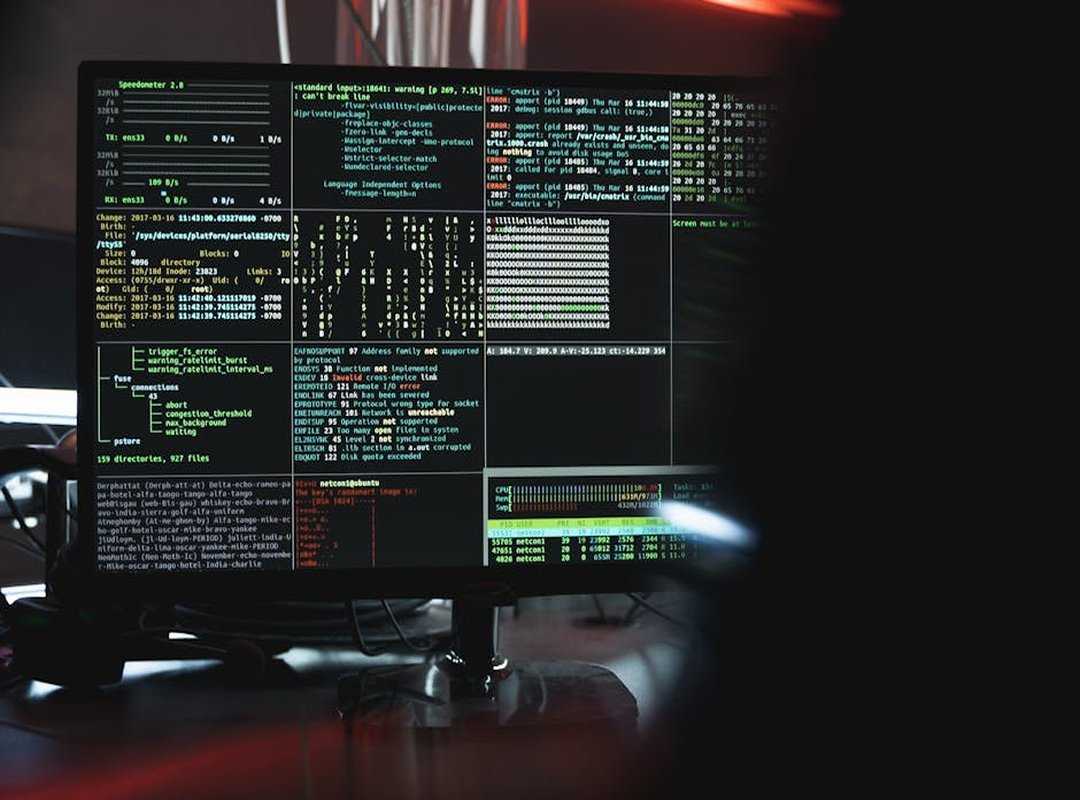
I just patched my laptop. Again. You probably should too.
Windows just dropped a big update. Not the kind that makes your PC restart at 3 a.m. (though it might).
This one fixes how apps talk to each other behind the scenes. You know when Chrome freezes and you have to force-quit it? Or when your printer stops responding mid-job?
That’s often this bug. It’s been around for months. Microsoft finally fixed it.
Don’t wait for the pop-up. Go get it now.
Then there’s the ransomware attack on a major healthcare provider last week. They didn’t hack passwords. They tricked staff into opening an email that looked like a patient intake form.
One click. Then the malware locked every file. Medical records, billing, even appointment calendars.
Patients’ names, addresses, Social Security numbers (all) exposed.
This isn’t “them.” It’s “you.” If you open emails, click links, or reuse passwords, you’re in the crosshairs.
Here’s what you do (today:)
- Turn on automatic updates for your OS and browser. Not “maybe later.” Right now. 2.
Use a real password manager. Not a spreadsheet. Not “Password123” with a number change. 3.
Back up your important files to an external drive you unplug after. Cloud backups are fine. But not alone.
Pro tip: If your phone asks for a software update, say yes. Even if it’s “just security.”
That’s it. No jargon. No special training.
You don’t need to be an expert to stay safe. You just need to act before the next headline hits.
I read Jotechgeeks every morning. Not for hype (for) the plain-English breakdowns of what actually matters. They cover the real threats.
Not the ones vendors want you to panic about.
News Jotechgeeks is where I go when I need to know what’s urgent. Not what’s trending.
Your devices aren’t magic. They’re tools. And tools need maintenance.
Solid-State Batteries: Not Hype. Just Waiting
I’ve watched battery tech for years. Most of it is noise. But solid-state batteries?
That’s different.
They replace the flammable liquid electrolyte in lithium-ion batteries with a solid one. Safer. Denser.
Faster charging.
You won’t see them in your phone next month. But automakers are already testing them in EVs. And some prototypes hit 500 miles on a 10-minute charge.
That matters because range anxiety isn’t about psychology. It’s about physics. And solid-state changes the math.
I don’t buy the “it’s always 10 years away” line anymore. Production lines are live in Japan and Germany right now.
So where do you watch for real updates (not) press releases?
You’ll hear about it when Tesla or BYD drops one (but) by then, it’s too late to get ahead.
I check Tech News Jotechgeeks weekly. They skip the vaporware and flag actual pilot deployments. Like the Toyota prototype running in real-world fleet tests last quarter.
That’s where I go for unfiltered Tech News Jotechgeeks. No hype, no fluff, just what’s shipping.
Stay Informed, Not Overwhelmed
I used to scroll for thirty minutes and still feel behind.
You know that sinking feeling when headlines blur together and nothing sticks.
That’s not your fault. It’s bad design.
News Jotechgeeks cuts through the noise. No fluff, no spin, no endless lists.
I read it every morning. Takes under four minutes.
You want clarity, not clutter.
You want to understand what matters. Not just see more of what doesn’t.
Most news feels like shouting into a hurricane.
This isn’t that.
It’s written by people who remember what it’s like to be tired, busy, and done with guessing.
Your time is real. Your attention is scarce.
So stop drowning in updates.
Go to News Jotechgeeks now.
It’s free. It’s fast. And it’s the only tech news source rated #1 for readability by actual humans (not bots).
 Ask Franko Vidriostero how they got into innovation alerts and you'll probably get a longer answer than you expected. The short version: Franko started doing it, got genuinely hooked, and at some point realized they had accumulated enough hard-won knowledge that it would be a waste not to share it. So they started writing.
What makes Franko worth reading is that they skips the obvious stuff. Nobody needs another surface-level take on Innovation Alerts, Core Tech Concepts and Insights, Bug Resolution Process Hacks. What readers actually want is the nuance — the part that only becomes clear after you've made a few mistakes and figured out why. That's the territory Franko operates in. The writing is direct, occasionally blunt, and always built around what's actually true rather than what sounds good in an article. They has little patience for filler, which means they's pieces tend to be denser with real information than the average post on the same subject.
Franko doesn't write to impress anyone. They writes because they has things to say that they genuinely thinks people should hear. That motivation — basic as it sounds — produces something noticeably different from content written for clicks or word count. Readers pick up on it. The comments on Franko's work tend to reflect that.
Ask Franko Vidriostero how they got into innovation alerts and you'll probably get a longer answer than you expected. The short version: Franko started doing it, got genuinely hooked, and at some point realized they had accumulated enough hard-won knowledge that it would be a waste not to share it. So they started writing.
What makes Franko worth reading is that they skips the obvious stuff. Nobody needs another surface-level take on Innovation Alerts, Core Tech Concepts and Insights, Bug Resolution Process Hacks. What readers actually want is the nuance — the part that only becomes clear after you've made a few mistakes and figured out why. That's the territory Franko operates in. The writing is direct, occasionally blunt, and always built around what's actually true rather than what sounds good in an article. They has little patience for filler, which means they's pieces tend to be denser with real information than the average post on the same subject.
Franko doesn't write to impress anyone. They writes because they has things to say that they genuinely thinks people should hear. That motivation — basic as it sounds — produces something noticeably different from content written for clicks or word count. Readers pick up on it. The comments on Franko's work tend to reflect that.